Context
Within the Alliance of Bioversity International and CIAT, ONA was developed to address a critical bottleneck in crop improvement: the slow and inconsistent collection and analysis of field phenotyping data. Traditional approaches relied heavily on manual processes, limiting scalability and introducing variability in how plant traits were measured across locations.
My Role
As Head of Product, I was responsible for establishing the organization’s product function and leading the development of AI-enabled digital tools for agricultural innovation. This involved defining the platform strategy, building cross-functional teams, and aligning software development with machine learning pipelines.
A key part of my role was working closely with breeders, scientists, and institutional stakeholders to translate research needs into scalable digital solutions. I focused on creating a product-driven approach that could bridge the gap between field data collection and advanced AI-based analysis.
What We Built
We developed ONA, an AI-powered digital phenotyping platform that enables breeding teams to collect standardized field data and automatically extract plant traits using computer vision. The system combines offline-first mobile data collection with AI-driven analysis and web-based dashboards for breeders and analysts.
The platform was designed to integrate seamlessly with existing breeding systems through interoperability standards such as BrAPI, ensuring it could fit within established workflows while introducing new capabilities. By connecting field data capture directly with machine learning pipelines, ONA transforms raw images and observations into actionable insights for crop improvement.
Challenges
At the outset, the system landscape was fragmented, and the machine learning pipeline was poorly integrated with data collection processes. As a result, breeders often had to wait several weeks before receiving usable trait data, significantly slowing down decision-making.
At the same time, there was no formal product foundation in place. The initiative lacked a clear strategy, a dedicated development team, and structured delivery processes. This made it difficult to coordinate efforts and move efficiently toward a scalable solution.
Additionally, teams were operating in silos. Machine learning engineers, software developers, and field teams were not sufficiently aligned, which created bottlenecks and limited the ability to scale the platform across different programs and geographies.
Approach
I led the transition from fragmented efforts to a coordinated, product-driven development approach. This began with defining a clear product vision, strategy, and roadmap, aligned with both technical possibilities and field realities.
I built and structured a cross-functional engineering team, covering mobile development, backend systems, and integration with machine learning pipelines. To ensure consistent delivery, I introduced structured product development practices, including Agile workflows, product requirement definitions, and prioritization frameworks.
A major focus was improving alignment between teams. I established regular coordination between product, MLOps, and data teams, and mapped the end-to-end user journey to identify and address bottlenecks in the data-to-insight pipeline.
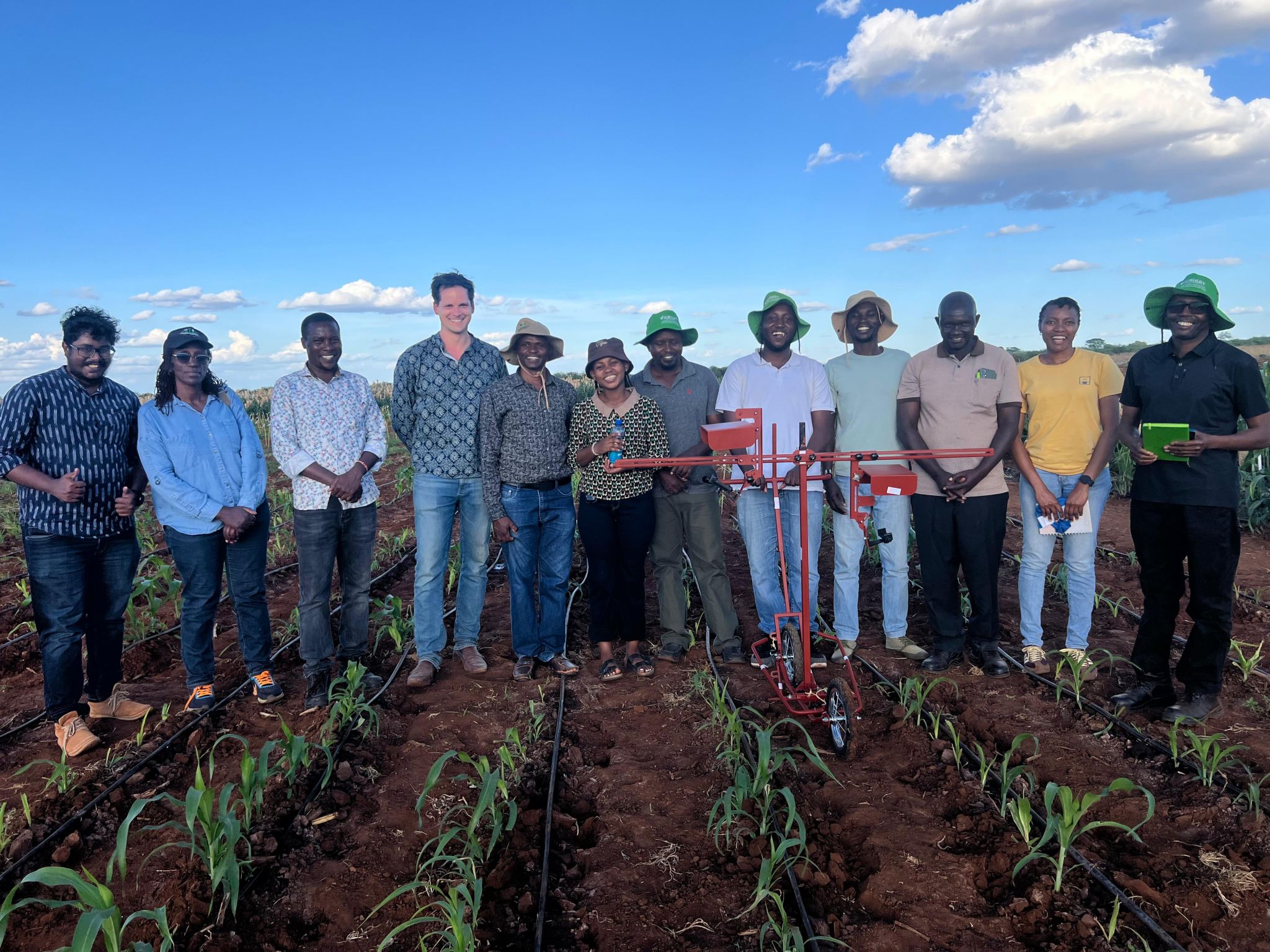
Alongside development, I led field deployments and training sessions with breeding teams across multiple countries, working directly with partners such as CIMMYT and KALRO to ensure the platform was usable and effective in real-world conditions.
Impact
The introduction of ONA significantly improved the speed and scalability of phenotyping workflows. Trait extraction turnaround time was reduced from several weeks to under 24 hours, enabling much faster feedback cycles for breeding teams.
The platform was successfully deployed across Tanzania, Kenya, and Uganda, supporting standardized data collection and analysis across multiple programs. It also contributed to increased adoption of AI-enabled tools in real-world breeding environments, demonstrating that advanced technologies can be effectively applied in low-resource settings.
Internally, the work established a high-performing cross-functional product team and introduced a sustainable product development approach that could be extended to other digital initiatives.
Leadership & Initiative
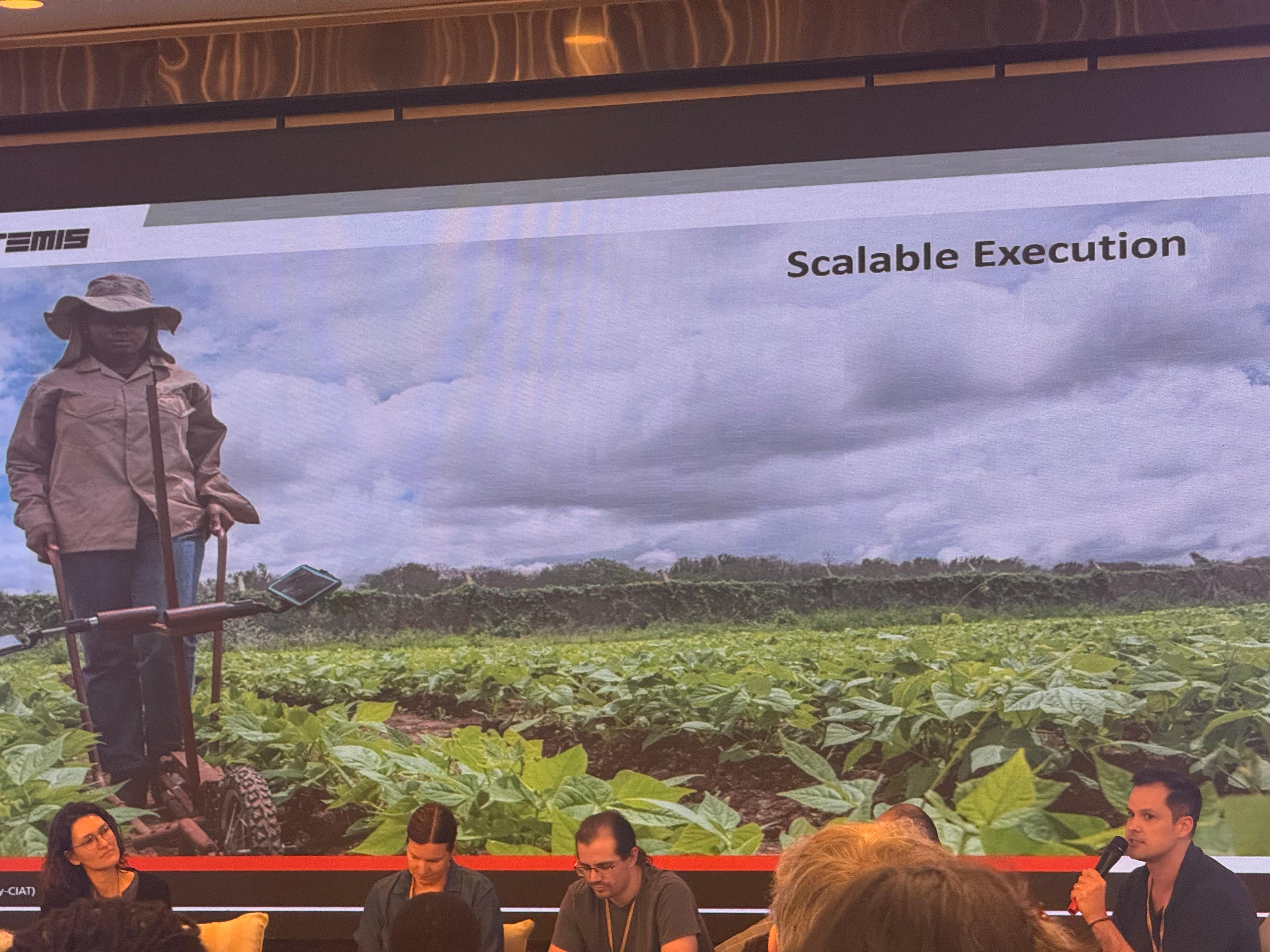
During the Alliance Science Week in Vientiane (2025), I was asked at short notice to present the work of the Artemis team. I took the initiative to deliver multiple presentations covering ONA, Sikia, and broader digital innovation efforts.
This helped increase visibility of the platform across the organization and positioned the work within wider discussions on digital transformation and the role of AI in agricultural research.
Key Insight
Integrating data collection and AI analysis into a single, well-coordinated product workflow can dramatically accelerate how agricultural data is transformed into insights. However, achieving this requires not only technical integration, but also strong alignment between teams, clear product direction, and deep engagement with end users in the field.